
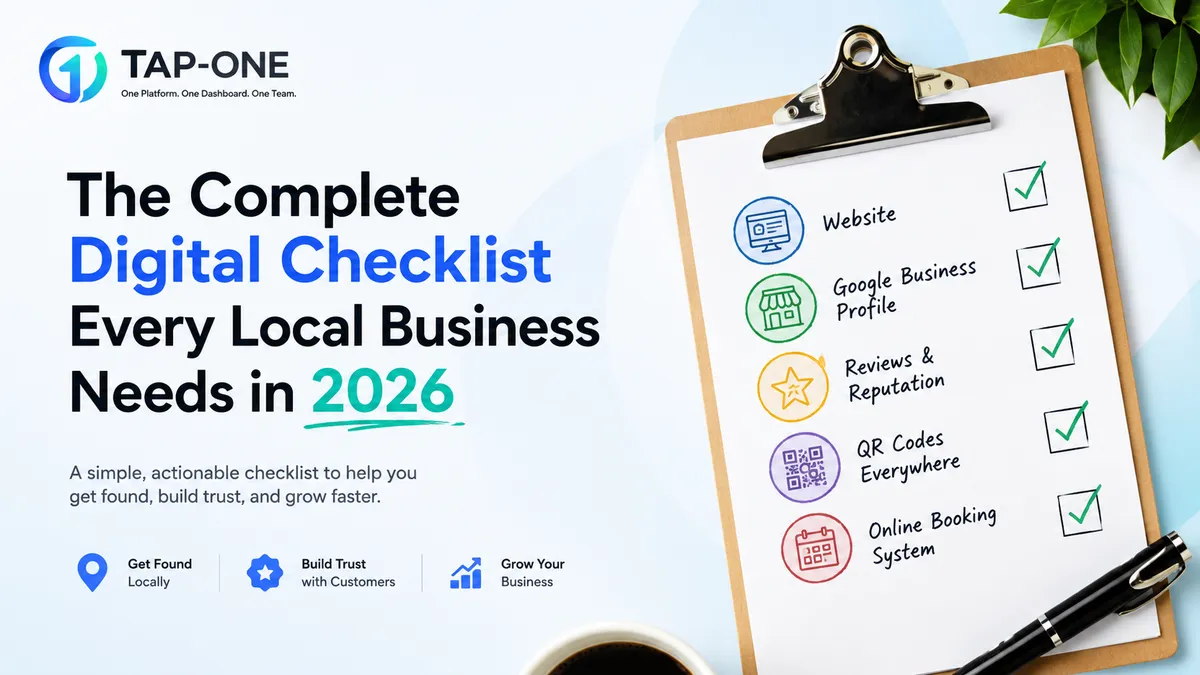
Three Pillars, Not Three Separate Projects
This checklist isn't theoretical. It's what I walk through with a client before I'll call their setup finished, and skipping a section here usually means leaving money on the table somewhere down the line.
Every local business needs a discoverable presence through its Google Business Profile, an owned destination through its website, and a trust signal through reviews earned consistently, not gathered once. None of the three carries the weight alone.
Miss one and the other two end up working harder than they should to compensate.
The Basics: Website, Profile, Reviews
Most checklists stop here, which is the actual mistake. This is the floor, not the finish line.
- Google Business Profile claimed, verified, and completely filled in
- Website live, mobile-friendly, loading in under three seconds
- Name, address, and phone matching exactly across both
- Reviews coming in through an automated system, not manual asking
- At least twenty recent reviews, ideally with a few photos attached
Turning Foot Traffic Into Online Action
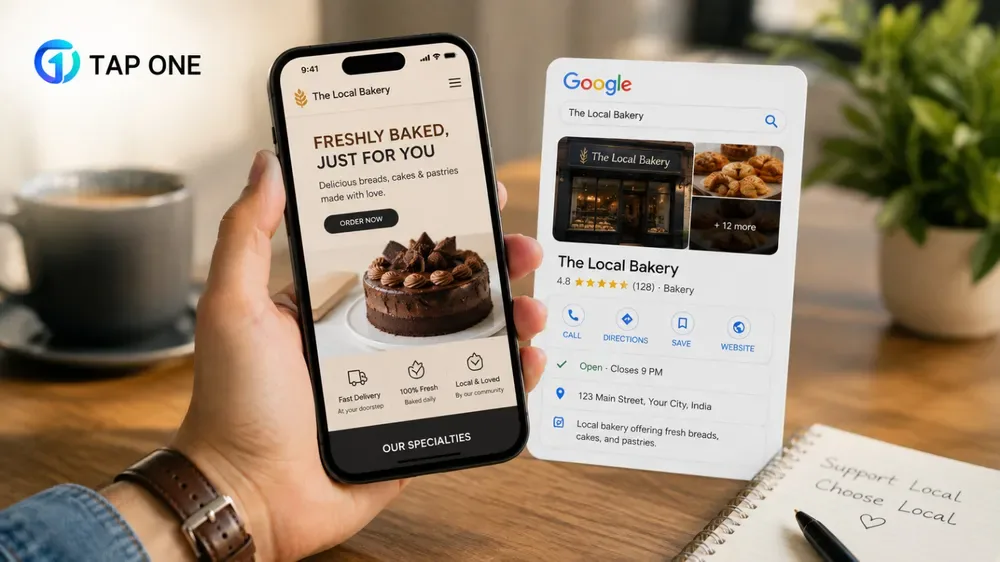
This is where a lot of walk-in businesses leave easy wins sitting on the table.
- QR codes placed at every physical touchpoint, table, counter, receipt, packaging
- A digital menu or service list reachable through that same code
- An NFC card or stand at the reception or billing desk
- Signage that clearly points toward booking or ordering online
Someone standing in your shop is the easiest conversion you'll ever get. Don't make them type a web address by hand, nobody does that anymore.
The Operational Side Most Marketing Guides Skip
A digital setup isn't purely customer-facing. What runs behind the scenes matters just as much.
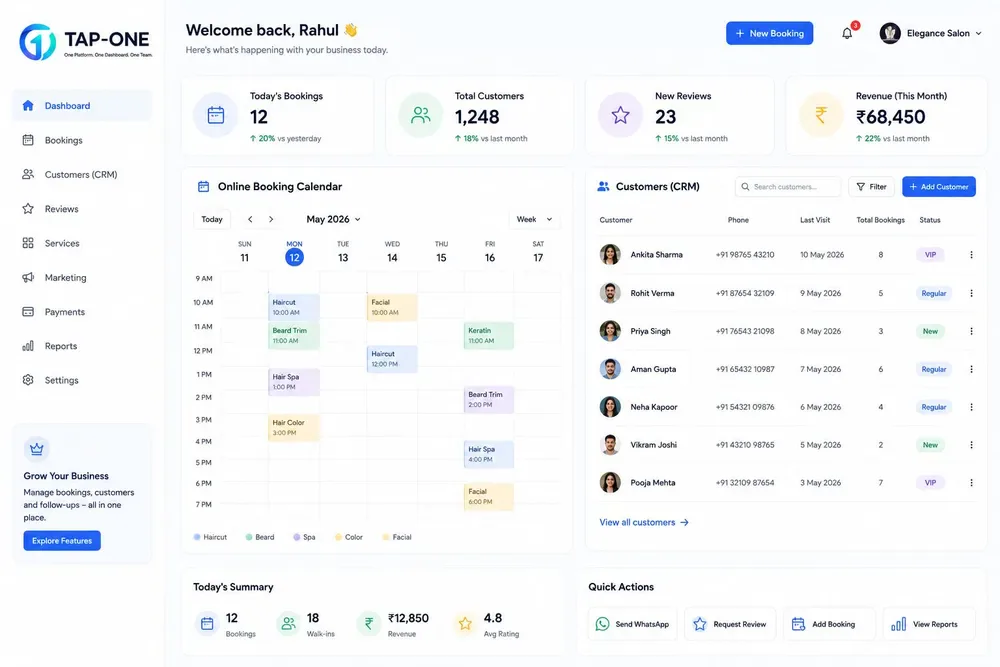
- Online booking tied to a real calendar so double-bookings stop happening
- A basic CRM tracking visit history and preferences
- Automated appointment reminders through WhatsApp or SMS
- A chatbot or auto-reply covering common questions outside working hours
Tracking What's Actually Working
You can't fix what you're not measuring, and a simple tool checked weekly beats an expensive dashboard nobody opens.
- Google Business Insights reviewed monthly, calls, direction requests, website clicks
- Basic website analytics running through [[Google Search Console|searchConsole]], visits, top pages, bounce rate
- Review conversion tracked, requests sent against reviews received
- A monthly look at which channel actually produced bookings
The Security Basics People Skip Until Something Goes Wrong
Customers notice this more than owners assume, and regulators are paying closer attention too.
- An SSL certificate active on the website, the small padlock icon
- Customer data kept somewhere secure, not scattered across spreadsheets on someone's laptop
- A published privacy policy, especially if contact details are being collected
- Payment processing running through a verified, compliant gateway
How Complete This Checklist Should Be by Business Stage
| Stage | Priority Sections | Reasonable Timeline |
|---|---|---|
| New business, first 90 days | Google Business Profile, basic website | 2–4 weeks to set up |
| Established, no digital presence | All infrastructure sections | 4–8 weeks for full rollout |
| Already has basics, wants to scale | Operations tech, analytics | 2–3 weeks to layer in |
Bringing It All Together
None of these sections work in total isolation. A booking system without a website to embed it on is half-useful. A digital menu without QR placement at every table barely gets used. The value shows up when the pieces are connected.